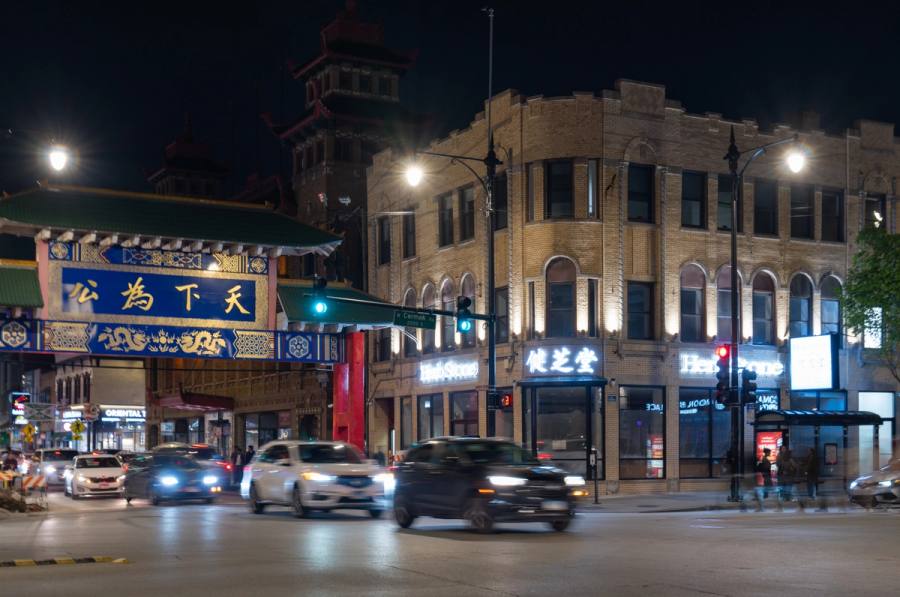
Herbstone
Commercial, Interior · Chicago, IL · 2026
Residential, Interior · Chicago, IL · 2026
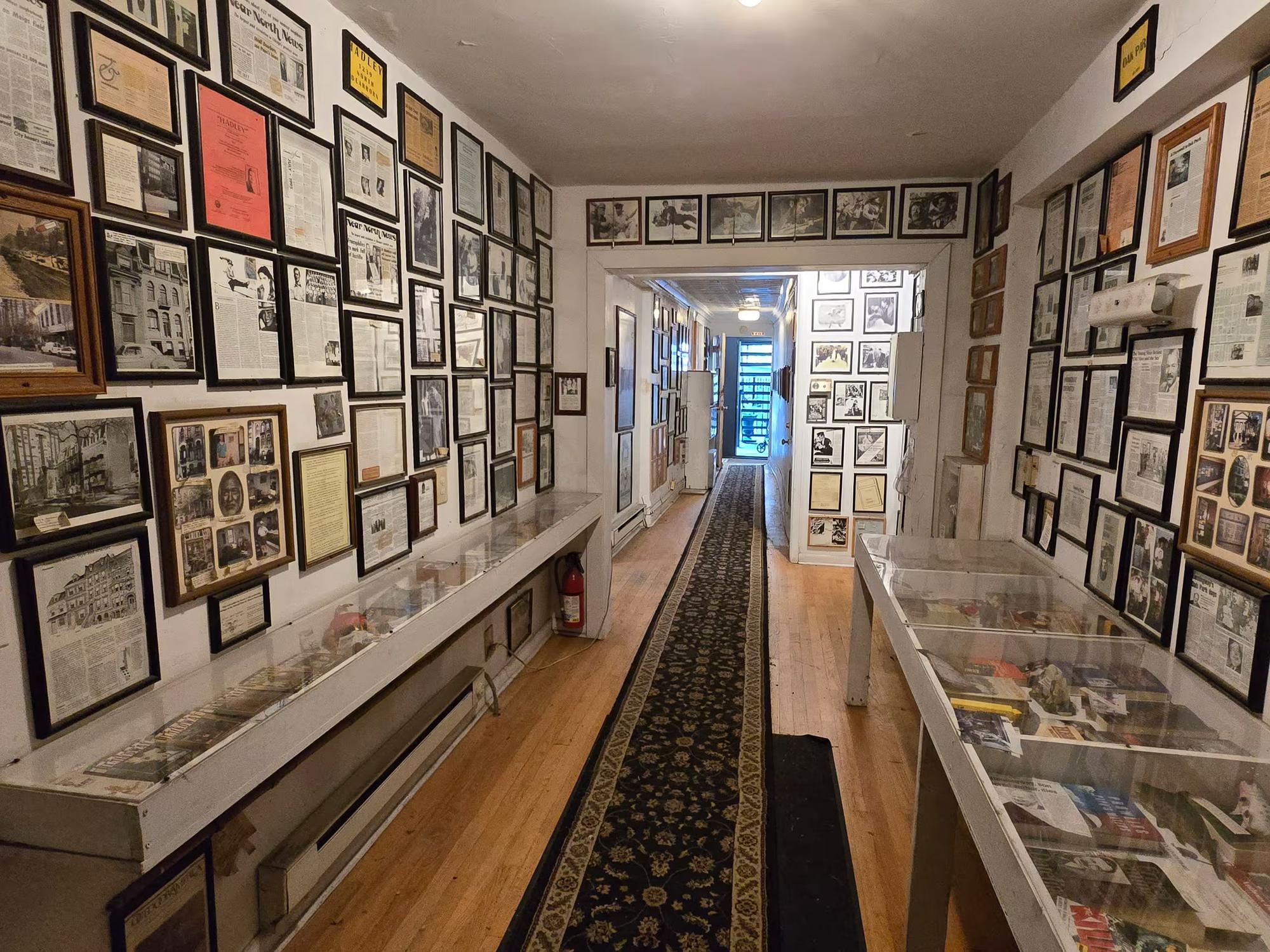
The residence occupies the fourth floor of a nineteenth-century rowhouse at 1239 North Dearborn in Chicago's Gold Coast, a building marked by a bronze plaque commemorating its most well-known tenant. In the fall of 1921, a young Ernest Hemingway and his first wife, Hadley Richardson, moved into this apartment after their wedding in Horton Bay, Michigan, and their honeymoon at the Hemingway family's cottage on Walloon Lake. They lived here for roughly three months before departing for Paris, where Hemingway would begin the body of work that defined him.
Chicago was where Hemingway's writing career took its decisive turn. He arrived in the city in the fall of 1920, freelancing dispatches for the Toronto Star while editing a small financial newsletter to cover rent. It was in Chicago that he met Hadley, and in Chicago that he formed a friendship with the novelist Sherwood Anderson, who became his first literary mentor. It was Anderson who steered the newlyweds toward Paris rather than Rome, writing them letters of introduction to the circle of expatriate writers and editors who would shape Hemingway's early career. The months spent at 1239 North Dearborn were the last Hemingway would spend living in Chicago — a brief, formative chapter before the city gave way to the wider literary world he would go on to define.
HYLO's renovation of the residence treated that history as the starting point for the design brief. The intent was not to freeze the apartment as a period piece, but to give it a life as a place that could be lived in comfortably today while still carrying the weight of what happened here — a home that respects Hemingway's work rather than simply trading on his name.
A curated gallery threads through the apartment as part of that intent: framed reproductions of Hemingway's early newspaper dispatches, pages from his published stories, and archival photographs of Ernest and Hadley from their Chicago years. These pieces are placed along circulation paths and within the living spaces themselves, so that guests encounter fragments of his writing and life in the course of everyday use rather than in a single roped-off display.
The original coffered ceilings, wide-board hardwood floors, and arched masonry openings were preserved throughout the unit, with updated finishes — quartz counters, brass fixtures, glass-enclosed showers — introduced quietly alongside them, so the historic character of the building remains legible against the comforts of a contemporary residence.
HYLO led the interior renovation and curation of the residence's Hemingway gallery, working within the footprint of the original fourth-floor apartment.
Explore More


